From Figma to shipped: a UX career evolves in the age of AI
I spent my career mastering the tools that defined UX - Adobe XD, Sketch, Protopie, Figma. Then, about a year ago, I made a deliberate shift. Not away from design, but deeper into it, using AI to close the gap between what I could imagine and what I could actually ship.
A deliberate evolution, not a pivot
My whole career as a UX designer was built on the tools of the craft. Adobe XD in the early days, Sketch for years after that, Protopie for high-fidelity interaction design, and Figma most recently - a tool I still use fluently today. These shaped how I think about interfaces, systems, and the relationship between design decisions and user outcomes.
Throughout that time I stayed an individual contributor by choice, while also directly leading creative teams ranging from 3 to 30 people - product designers, copywriters, and researchers. That combination of doing the work and guiding others through it gave me a perspective on design quality that's hard to get any other way. You learn what good looks like when you're accountable for it at both levels.
About a year ago, I started integrating AI tools into that foundation. Not to replace the design thinking those years had built, but to extend what I could do with it. v0 and Claude Code became the bridge between a design decision and a working component. What used to require a full engineering sprint to validate could now be tested in an afternoon.
When a layoff hit in January, I didn't have to find a new way of working - I already had one. The products here are the result of that workflow put to the test.
"The tools changed completely. The design thinking that makes them useful didn't."
Yes, this case study was authored with the help of Claude. That's exactly the point.
The shift in my stack
The transition wasn't about abandoning craft. Figma is still where ideas take shape. But over the past year, the tools I reach for when it's time to build and validate have fundamentally changed.
What we built
These three projects were built in close collaboration with an engineer partner. AI changed how we worked together - not who did what, but how fluidly we could move between idea and implementation.
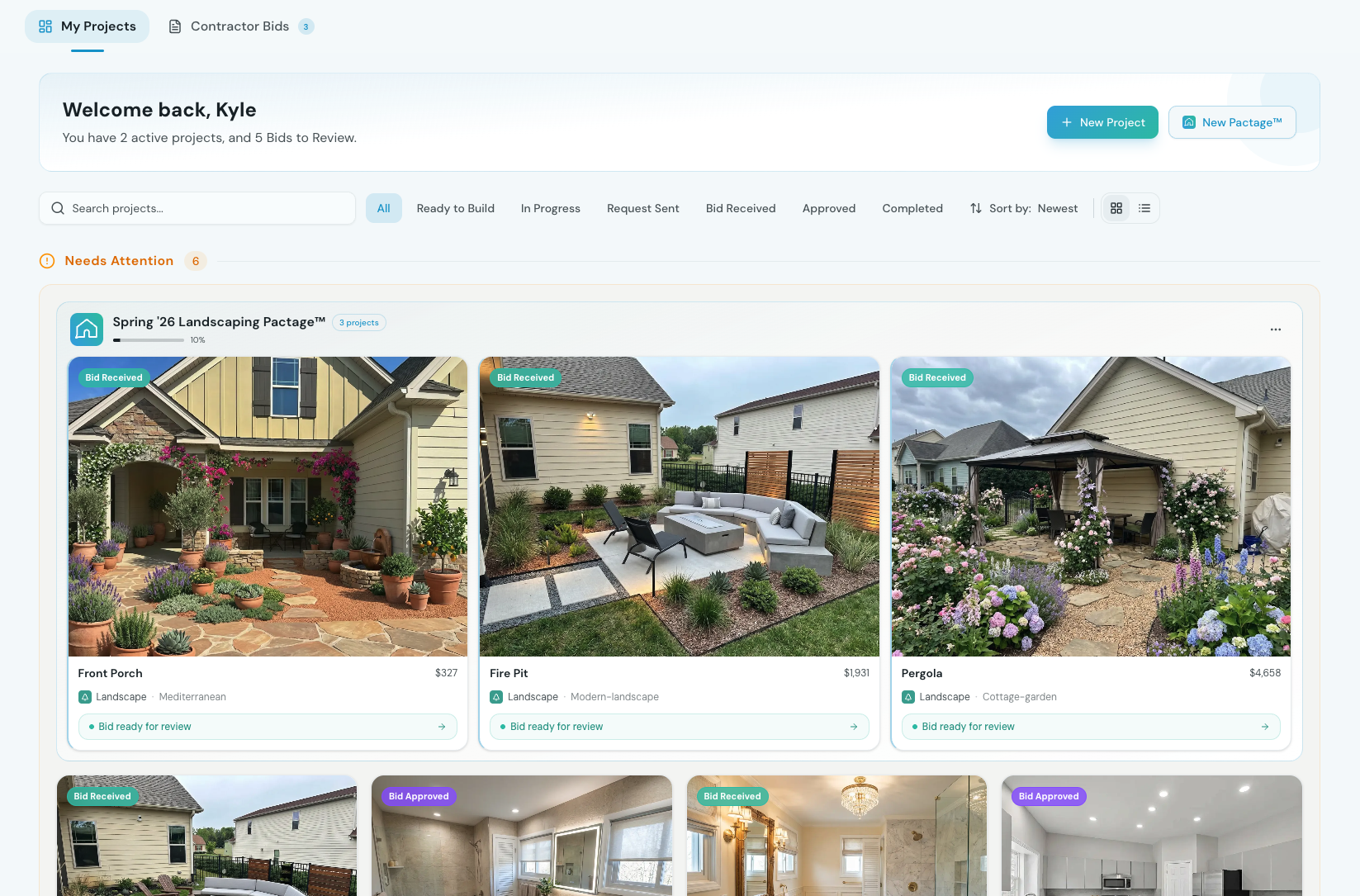
A platform for homeowners to visualize renovation projects, price out products, connect with local contractors, and track progress from first idea to final build.
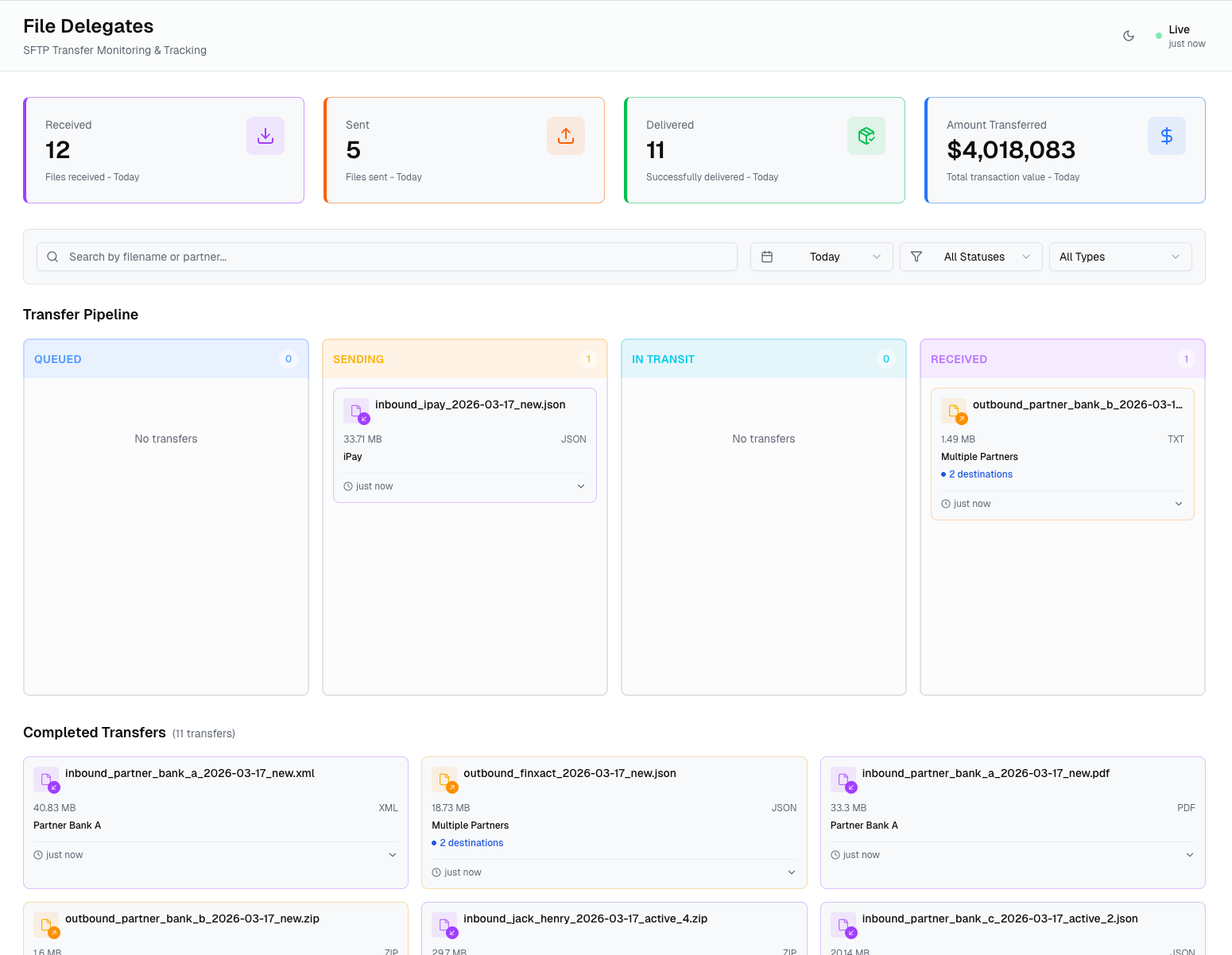
A real-time dashboard for teams to visualize, track, and manage file transfers across SFTP pipelines, with full status visibility from queued to delivered.
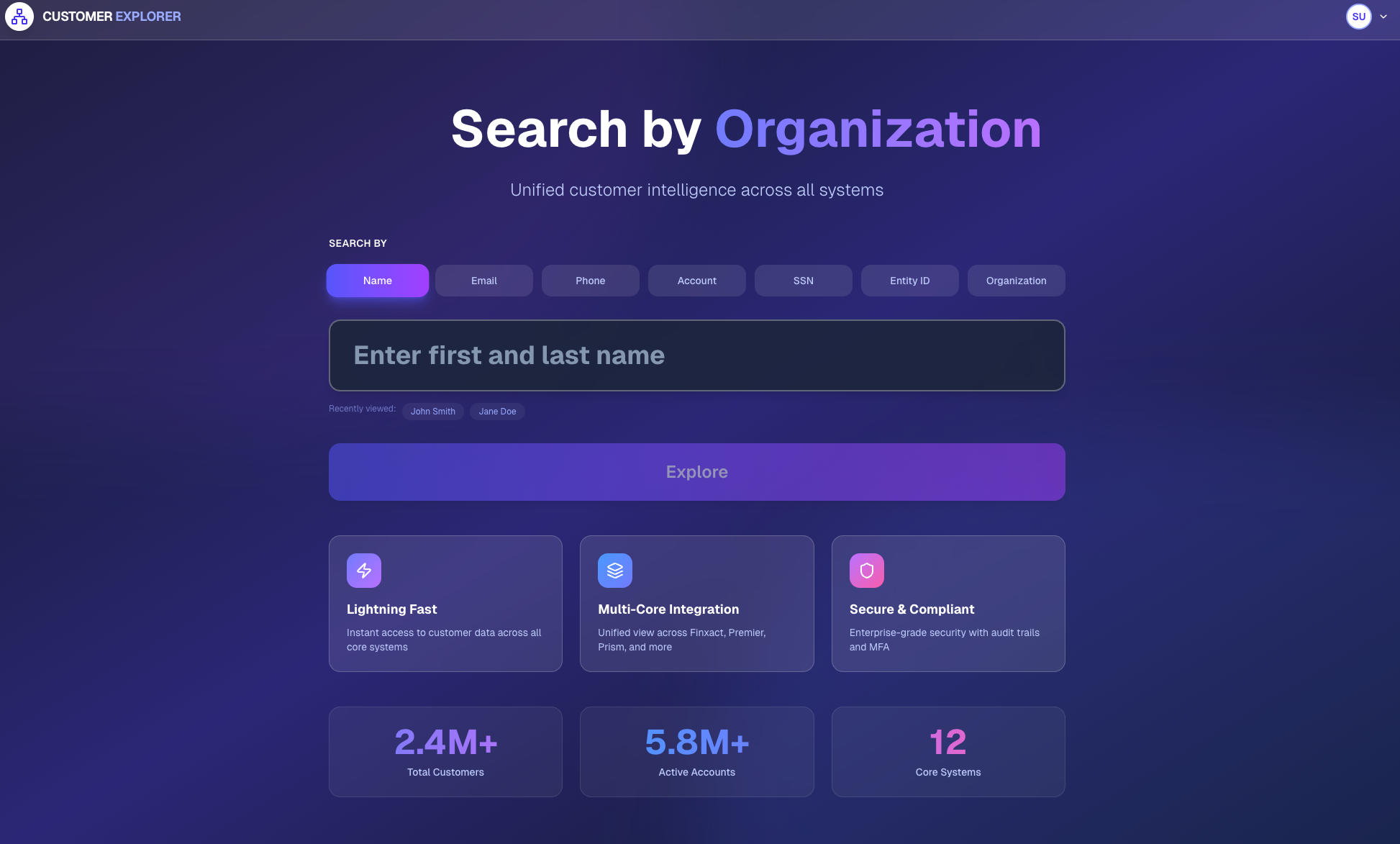
A "Google" for financial services teams - search across customer records, accounts, and connections from a single interface, unified across all core systems.
What a year of building actually taught me
Looking for a team where design and engineering genuinely build together
I'm a Lead Product Designer with a career-long UX foundation, a track record of leading creative teams of 3 to 30 across design, copy, and research, and 1+ year of hands-on AI-augmented product experience. I've stayed an individual contributor by choice - and built some of my best work that way. I'm looking for a full-time role at a company where design and engineering are deeply collaborative and AI-fluent on both sides.